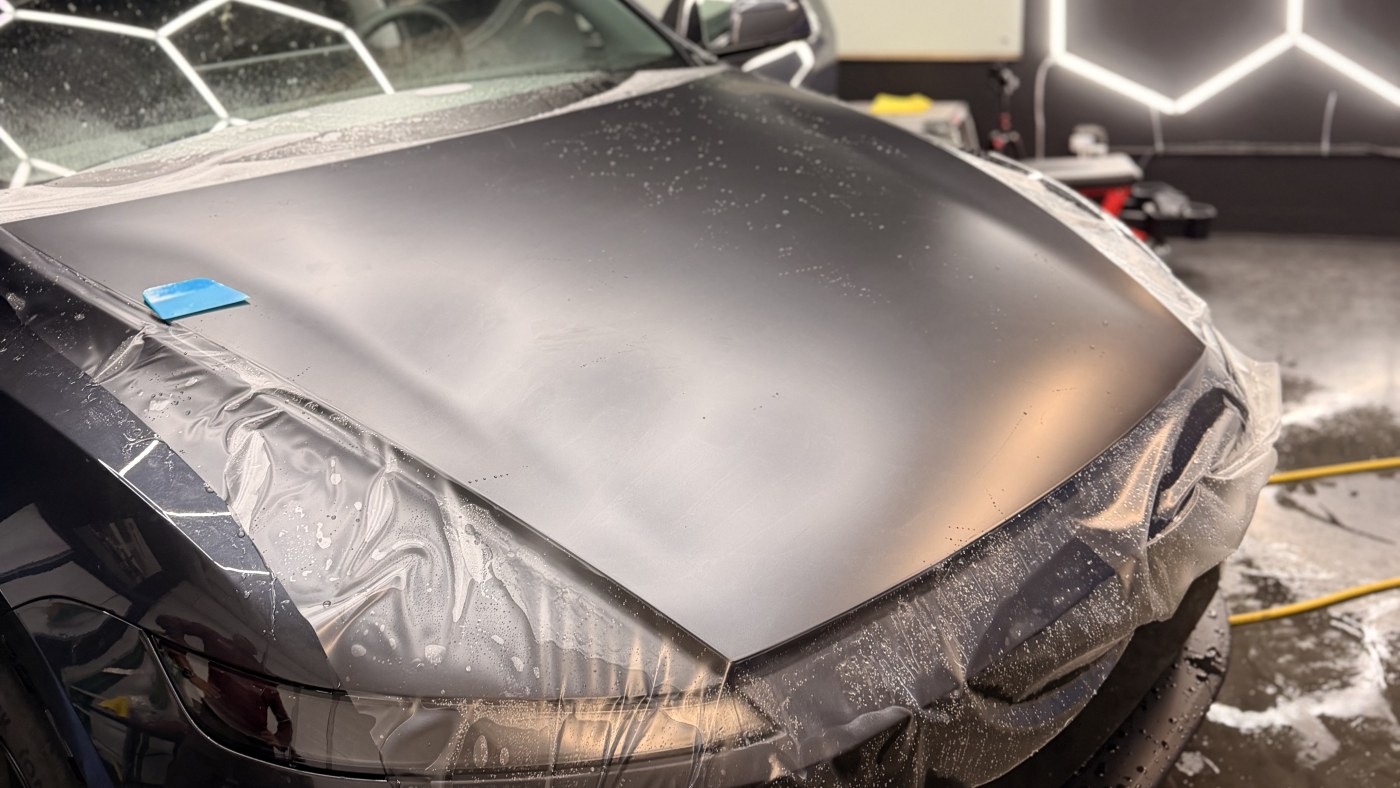
CDA Mobile Maintenance Detailing: When Location and Scope Fit
CDA may provide mobile maintenance washes or detailing when the exact work and environment are suitable; major PPF and ceramic work remains studio-based. CDA Auto Styling serves Riverside and the verified Inland Empire context with vehicle-protection, styling, correction, and detailing services. Major PPF and ceramic work belongs in controlled studios; mobile maintenance washes and detailing depend on the exact scope and a suitable environment.
Describe the requested maintenance result
Separate exterior cleaning, interior cleaning, maintenance of prior protection, contamination questions, finish improvement, repair, and excluded work. Mobile maintenance is not a promise that every detailing or correction task can be performed at an address.
List the exact surfaces
Identify paint, film-covered panels, glass, trim, wheels, interior materials, cargo areas, wraps, coated surfaces, accessories, and custom parts plus known damage or prior work.
Evaluate the location
Share access, parking permission, shade, lighting, dust, weather, temperature, water, power, drainage, storage, security, pets, personal property, keys, and vehicle-movement constraints when relevant.
Let CDA confirm suitability
A Riverside or Inland Empire address does not establish mobile eligibility. CDA determines whether the vehicle, scope, condition, and site are suitable or whether studio evaluation is more appropriate.
Keep mobile and studio scopes distinct
If the setting changes, require updated surfaces, preparation, exclusions, current price, schedule, change triggers, handoff, care, limitations, and responsibility before authorizing work.
Complete the handoff
Review the finished vehicle against the accepted scope, record condition in suitable light, receive care guidance, and preserve the estimate, revisions, invoice, photographs, and current responsible contact.
Keep CDA's standard separate from ShieldID
This article and the linked service page describe CDA Auto Styling's own customer-planning standard. They do not certify, govern, guarantee, or describe a ShieldID member shop, and ShieldID does not require members to use CDA's process.
Prepare a vehicle-specific consultation brief
Before contacting CDA, record the vehicle year, make, model, use pattern, parking and wash context, present condition, known repainting or repair, replacement glass, prior film, tint, coatings, polishing, correction, detailing, wraps, adhesives, accessories, and custom parts. Mark unknown history as unknown. Add wide and close photographs in neutral light when they help CDA understand the requested surfaces and current condition.
State one primary owner goal and list every surface that may be included. Separate protection, comfort, appearance, finish improvement, cleaning, maintenance, removal, repair coordination, and documentation. This gives CDA a clearer starting point without assuming that every service, product, setting, date, or result fits every vehicle.
Request a written scope before authorizing work
Ask CDA to identify accepted surfaces, preparation, removals, correction, access or disassembly, exclusions, work environment, current price, schedule, change triggers, handoff review, care guidance, limitations, and responsible contact. If an inspection changes the plan, request a revised scope before authorizing additions. Keep the estimate, revisions, surface map, photographs, invoice, supplied material information, care guidance, and current warranty documents with the vehicle.
Coordinate later providers carefully
Before body, paint, dent, glass, mechanical, wheel, tire, electronics, film, tint, coating, correction, detailing, wrap, accessory, or custom work, share the relevant surface map and prior-service record. Ask who protects, removes, restores, or excludes existing work. CDA can describe its accepted role, while safety, repair, calibration, legal, and another provider's warranty questions remain with the qualified responsible source.
Complete a careful handoff
Review the finished vehicle against the final accepted surface list in suitable light. Note included and excluded areas, remaining condition, and any documented limitation without assigning a cause that has not been established. Ask which care instructions apply immediately, which observations should trigger contact, and what documents CDA supplies for the actual completed work.
Create wide and close photographs and store them with the final scope. Record later washes, impacts, contamination, storage changes, repairs, removals, and work by another provider when those events may affect the serviced surfaces. A dated record cannot guarantee an outcome, but it gives the owner and CDA a clearer factual history if a later question arises.
Read the related CDA service page
Review the current CDA service information connected to this guide.
Frequently asked questions
Is every CDA detailing service mobile?
No. CDA confirms whether the exact scope and environment are suitable.
Are major PPF and ceramic jobs mobile?
CDA's approved operating boundary places major PPF and ceramic work in controlled studios.
Does an Inland Empire address guarantee mobile availability?
No. Current scope, environment, access, and availability must be confirmed directly.

