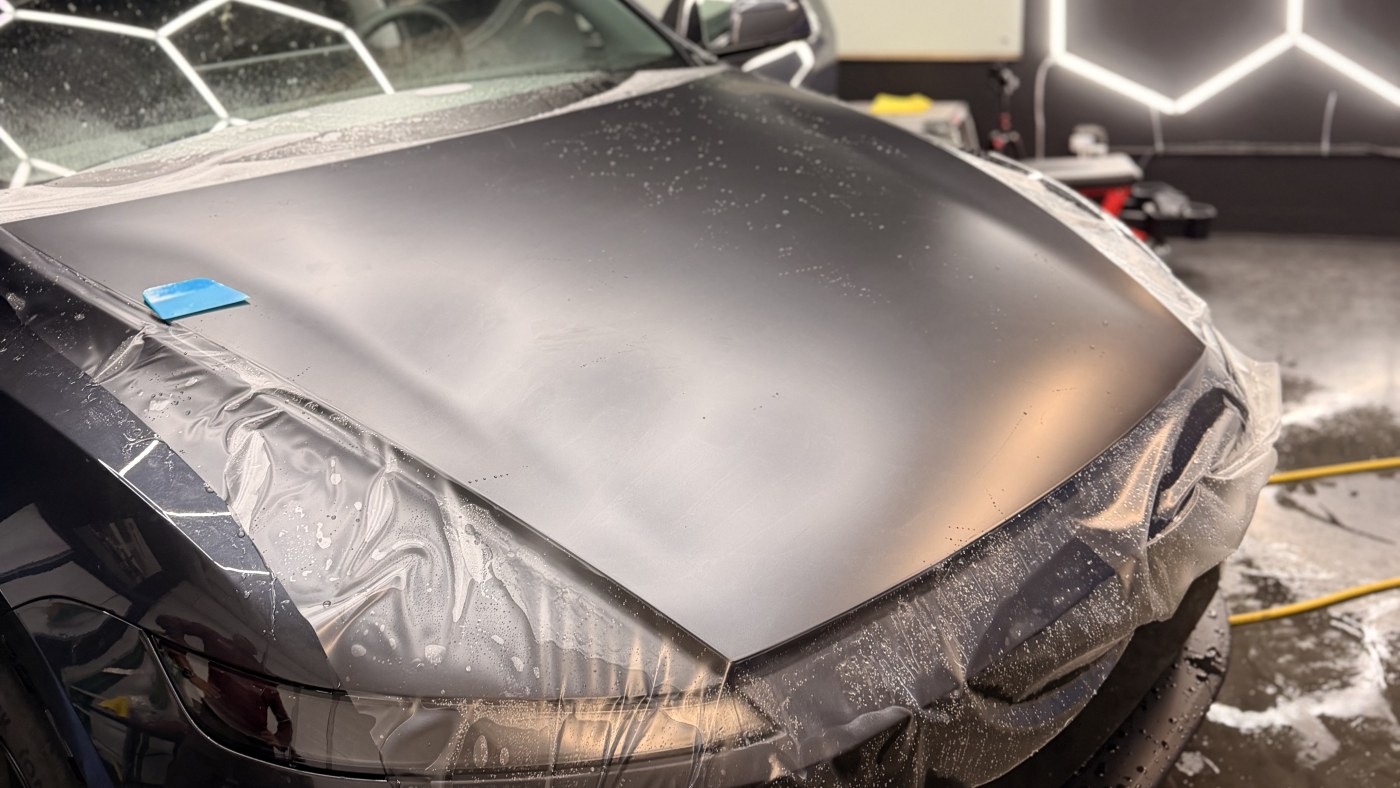
CDA Paint Correction Before Ceramic Coating: Inspection Questions
Paint correction and ceramic coating answer different questions: correction evaluates finish improvement, while coating planning starts from the prepared surface CDA accepts. CDA Auto Styling is based in Riverside, has an additional Upland studio presence, and serves verified Inland Empire drivers with paint protection film, ceramic coating, window tint, windshield protection film, paint correction, and detailing. Major PPF and ceramic work is studio-based; mobile maintenance washes and detailing depend on the exact scope and suitable environment.
Describe the visible condition
Photograph swirls, haze, scratches, water spots, oxidation, sanding marks, touch-up, overspray, residue, chips, repaired areas, repainting, edges, trim, graphics, and unknown history without assigning cause.
State the finish goal
Explain whether the priority is clarity, gloss, reduction of visible defects, preparation for protection, preservation of thin or repaired areas, or a balanced result. Avoid demanding an undefined perfect finish.
Ask what inspection can determine
CDA may use physical access, suitable lighting, cleaning, measurements, test areas, or another qualified provider before defining accepted correction.
Separate correction from repair
Ask which defects may be improved, which remain, which require body or paint repair, and which surfaces are excluded. Correction is not a substitute for structural, paint, trim, or glass repair.
Define the coating boundary separately
If coating is also considered, identify exact accepted surfaces, preparation, material information, care guidance, limitations, and current documents without assuming correction automatically includes coating.
Review the finish in suitable light
Compare the completed vehicle with the accepted goal and exclusions, then store photographs, the final scope, invoice, care guidance, limitations, and responsible contacts.
Prepare a quote-ready vehicle record
Share the year, make, model, requested result, exact surfaces, present condition, known repainting or repair, replacement glass, prior film, tint, coatings, polishing, correction, detailing, wraps, adhesives, accessories, and custom parts. Mark unknown history as unknown and add photographs when useful.
Request written change control
Ask CDA to identify accepted surfaces, preparation, removals, exclusions, environment, current price, schedule, change triggers, delivery review, care guidance, limitations, and responsible contact. If inspection changes the plan, request a revised scope before authorizing additions.
Read the related CDA service page
Review CDA's current service information connected to this guide.
Keep CDA and ShieldID separate
This article describes CDA Auto Styling's own customer-planning approach. It does not certify, govern, guarantee, or describe a ShieldID member shop, and ShieldID does not require members to follow CDA's process.
Prepare for inspection without pre-authorizing changes
Photographs and a written question list help CDA prepare, but they do not reveal every condition or grant permission for every preparation step. Ask which surfaces can be evaluated remotely, which require cleaning or physical access, and which require another qualified provider. If the actual vehicle changes the proposal, request updated included and excluded areas, preparation, removals, work setting, current price, schedule effect, care, limitations, and responsibility before authorizing additions.
Preserve the final vehicle record
Keep the accepted estimate, surface map, revisions, condition photographs, invoice, supplied material information, care guidance, limitations, current warranty document and contact, and later-service notes together. Before another body, paint, dent, glass, mechanical, wheel, tire, electronics, film, tint, coating, correction, detailing, wrap, accessory, or custom provider works nearby, share only the relevant surface and responsibility facts. Ask who protects, removes, restores, or excludes prior work.
Use a stop-and-confirm rule
Pause when the vehicle, accepted surfaces, prior repair history, material, environment, access, provider, product, commercial terms, or requested result differs from the written plan. A concise revision is more useful than an assumption. Safety, legal, structural, mechanical, glass, sensor, calibration, body, paint, and another provider's warranty questions remain with the qualified responsible source.
Review the final answer against the original goal
At handoff, compare the vehicle with the final accepted surface list in suitable light. Note included areas, exclusions, remaining condition, supplied information, care guidance, and observations that should trigger contact. Store photographs and revisions with the invoice. If later work affects a nearby surface, give the next qualified provider the relevant record and ask how responsibility will be divided before it begins.
Frequently asked questions
Does paint correction remove every scratch?
No. CDA evaluates the actual defect and accepted goal.
Is coating the same as correction?
No. They are separate services and scopes.
Can photos replace inspection?
No. CDA may require physical evaluation.

