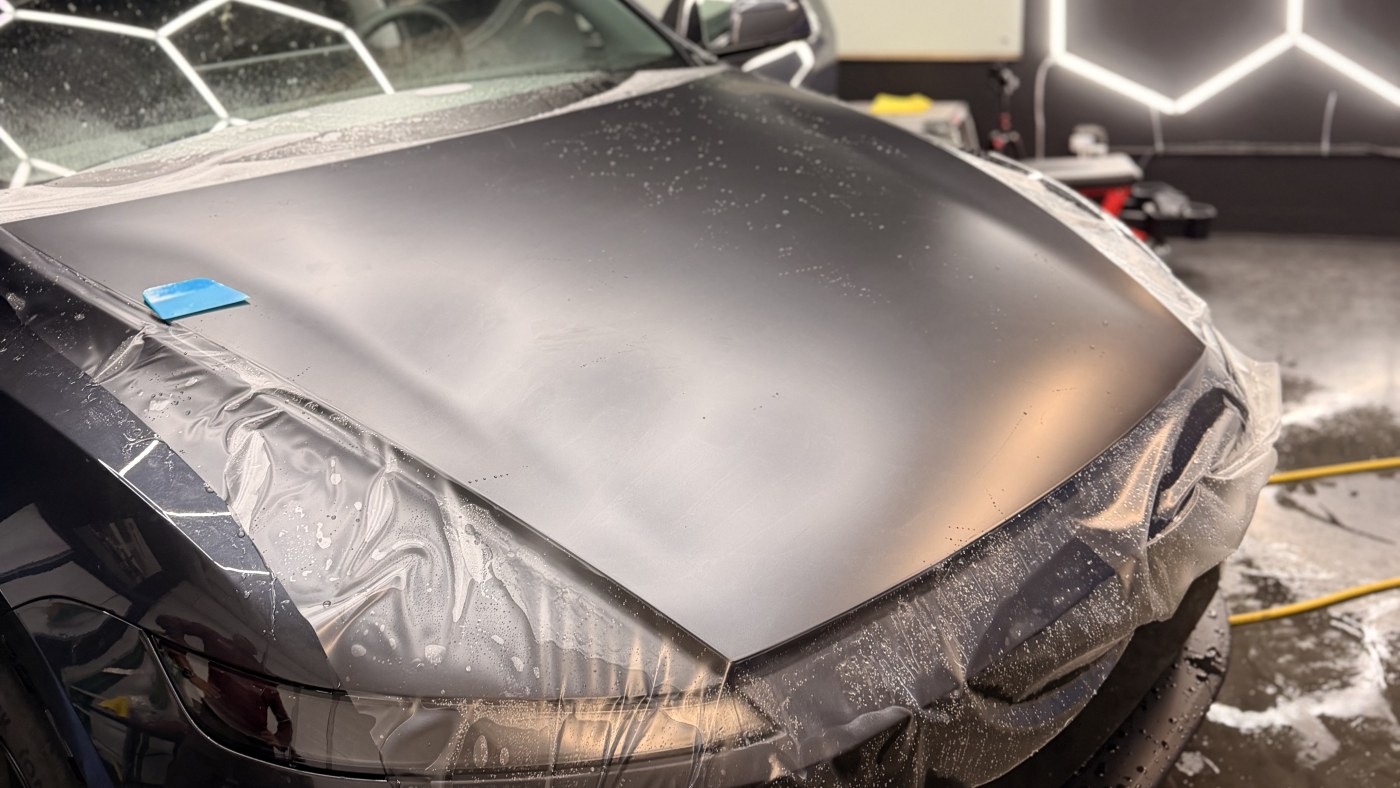
CDA Photo Estimate vs. In-Person Inspection: What Vehicle Details Matter?
Prepare useful vehicle photos and history for CDA, understand image limits, and know why paint, glass, film, coating, or interior condition may need inspection. CDA Auto Styling performs vehicle-protection and restyling services. ShieldID is the separate member-directory and trust-layer system; this article does not merge the two brands or make CDA responsible for member-shop work.
Send complete vehicle context
Include the year, make, model, mileage range, Riverside or Inland Empire service location, typical use, storage, desired result, and known repainting, body repair, glass replacement, polishing, film, tint, wrap, coating, or detailing history.
Photograph location and condition
Take full-vehicle views, wider views that locate the concern, and close views from multiple angles in neutral light. Include paint chips, scratches, swirls, contamination, old film, glass damage, trim, edges, seams, stains, pet hair, or other relevant condition without filters.
Know the limits
Images may not confirm paint thickness, defect depth, clear-coat failure, hidden repair, adhesive, material type, odor, sensor configuration, access, or how the condition changes under inspection lighting. CDA may need to see the vehicle before confirming preparation, coverage, compatibility, price, or timing.
Separate the goals
PPF, window tint, windshield protection film, paint correction, ceramic coating, and detailing address different needs. Tell CDA whether the concern is impact-prone paint, glass heat or glare, finish clarity, surface maintenance, interior or exterior condition, or another verified service goal.
Confirm exact scope
Ask for the included panels, glass, surfaces, preparation, product or material when applicable, work environment, price, deposit, scheduling, care, limitation, and responsibility. A photo conversation is not complete until both sides share the same written reference.
Prepare one Riverside and Inland Empire vehicle summary
Write down the vehicle year, make, model, mileage range, current Riverside or Inland Empire location, typical use, parking, storage, washing routine, and the three outcomes that matter most. Note whether the vehicle is a daily commuter, family vehicle, work vehicle, enthusiast car, or occasional-use vehicle. Those facts help CDA ask vehicle-specific questions without assuming a package.
Add known paint, body, glass, film, coating, wrap, correction, detailing, dent, and custom-part history. Bring invoices, product records, warranty information, and dated photographs when available. If a fact is unknown, record it as unknown rather than guessing.
Map every requested panel, glass area, surface, and interior zone
A service name alone does not show the complete job. Mark the exact hood, fenders, bumpers, doors, rockers, roof, trim, windshield, side glass, rear glass, wheels, exterior surfaces, seats, carpets, cargo areas, or other zones being discussed. Ask CDA which areas require inspection and which preparation, removal, correction, cleaning, masking, access, or curing steps apply.
Keep service purposes separate. PPF is for selected impact-prone painted areas. Tint and windshield protection film are glass categories. Paint correction improves visible finish defects. Ceramic coating supports gloss and easier maintenance after suitable preparation but does not replace impact film. Detailing addresses a defined interior or exterior condition.
Review the written proposal line by line
Confirm the exact vehicle, included areas, preparation, proposed product or material when applicable, price, deposit, schedule, work environment, care, limitations, and responsible party. Major PPF and ceramic-coating installations are handled in CDA's controlled studio. Mobile maintenance washes and mobile detailing are available across the Inland Empire only when CDA confirms that the scope, access, property rules, weather, and environment are suitable.
If inspection changes the recommendation, do not carry the old assumptions forward. Ask for a revised written scope that explains the change and its effect on price, scheduling, care, and responsibility before authorizing work.
Review delivery and future repair planning
At delivery, compare the completed vehicle with the accepted scope and ask CDA to identify the finished panels, glass, surfaces, or areas. Save the first-care guidance and the correct contact for questions. Before later body work, repainting, glass replacement, polishing, wrap work, film, coating, or detailing, tell the next provider what CDA installed.
Use a written vehicle record
Save the accepted scope, final invoice, panels or glass covered, product information CDA supplies, condition photos, care guidance, and warranty contact. If the inspection changes the job, request an updated written scope before authorizing it.
Frequently asked questions
Can CDA confirm every project from photos?
No. Photos can support the first conversation, but CDA decides whether the exact vehicle and service require an in-person inspection.
Are major PPF and ceramic-coating installations mobile?
No. CDA handles major PPF and ceramic-coating work in a controlled studio. Mobile maintenance washes and mobile detailing are available across the Inland Empire when CDA confirms the scope and environment are suitable.

