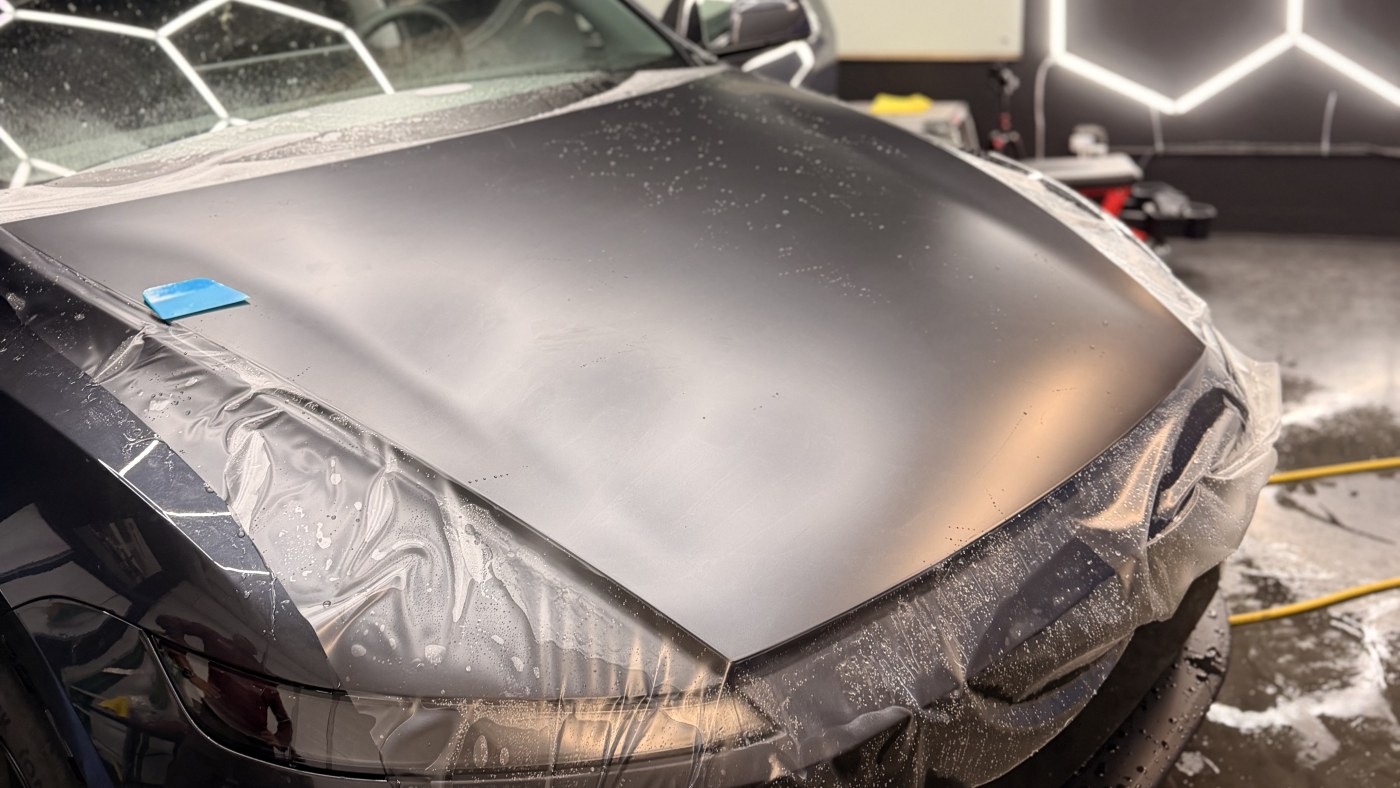
CDA PPF Planning: Coverage Maps, Condition and Handoff Records
A clear PPF plan identifies the exact panels, paint condition, repair history, preparation responsibility, exclusions, and delivery records. CDA Auto Styling performs vehicle-protection, styling, correction, and detailing services. This article explains CDA's own customer-planning standard and does not create a ShieldID rule for any member shop.
Map the requested coverage
Use a vehicle diagram or photographs to identify each panel and boundary. Separate partial, front-area, track-use, full-vehicle, accent, or other owner language from the exact surfaces CDA is being asked to evaluate.
Disclose paint and repair history
Share known repainting, body work, chips, scratches, touch-up, old film, adhesive, coating, polishing, correction, contamination, and damage. Mark unknown history honestly and provide invoices or photographs when available.
Define preparation and surface approval
Ask what CDA needs to inspect, what preparation is included, who owns repair or removal, what condition could change the proposal, and whether another provider must act first. Do not use this article to assume compatibility or a universal process.
Control changes in writing
If inspection reveals a different condition, request the revised panels, preparation, exclusions, price, schedule effect, care, and responsibility before authorizing added work.
Review delivery and preserve records
Compare the completed coverage to the accepted map, review visible surfaces, receive care guidance, and preserve the estimate, invoice, photographs, material information when supplied, limitations, and warranty contact.
Keep the standard CDA-specific
The linked page and this article describe CDA Auto Styling's own customer-planning standard. They do not establish a network-wide standard or guarantee for any member shop.
What CDA needs before defining the job
Start with the year, make, model, requested result, current condition, photographs, prior estimates or invoices, and every known repair or existing material that affects the surfaces under discussion. Include repainting, body work, glass replacement, chips, cracks, scratches, stains, odor, contamination, old film, tint, coating, polishing, correction, detailing, wrap, adhesive, and custom parts when relevant. If a fact is unknown, say so. CDA can then identify what requires a closer inspection or another provider.
How CDA separates scope from assumptions
A useful written proposal identifies the surfaces, preparation, access, removals, exclusions, current price, deposit when applicable, schedule, work environment, delivery inspection, care, change triggers, and responsible contact. A short package label or preliminary photograph should not carry an unstated promise. When inspection reveals a different condition, CDA should explain the finding and revised line before added or changed work is accepted.
Quality-control questions at delivery
At handoff, compare the completed vehicle with the accepted scope and the condition record. Review the surfaces in suitable light, note any documented limitation, confirm care guidance, and identify who answers a later question. Preserve the estimate, accepted revision, invoice, condition and delivery photographs, coverage or surface map, material information when supplied, and warranty contact. These records matter after maintenance, repair, glass replacement, body work, resale, or a future service.
What this article does not promise
This education page does not invent a product, price, discount, warranty, durability, cure period, appointment time, availability, compatibility decision, legal conclusion, or promised result. CDA's current written proposal and supplied terms control the vehicle-specific job. ShieldID is a separate directory and trust-layer system; it does not certify, enforce, or guarantee CDA's service standard, and CDA's standard is not automatically attributed to any member shop.
How to prepare for a useful CDA conversation
Organize the vehicle facts and questions before contacting CDA, but do not attempt an unapproved repair, removal, polishing step, chemical treatment, scraping, heat application, trimming, or adhesive fix. Preserve the current condition and available records. That gives CDA a clearer starting point for deciding what can be reviewed from photographs, what needs an in-person inspection, and what belongs with another responsible provider before CDA accepts work.
Read the related CDA service page
Review the current CDA service information connected to this planning standard.
Frequently asked questions
Why is a coverage map useful?
It makes the included panels and boundaries understandable before authorization and after later repair, maintenance, resale, or a concern.
Does this article state a PPF price or warranty?
No. CDA's current written proposal and supplied terms control the vehicle-specific commercial details.
What if the paint was repaired?
Disclose the repair and provide available records so CDA can identify what requires inspection or another provider before accepting a scope.

