PPF, Tint, Ceramic Coating and Detailing: How CDA Separates Each Service Goal
Understand how CDA separates PPF, tint, ceramic coating, paint correction, detailing, and glass-protection goals before combining services. CDA Auto Styling performs vehicle-protection and restyling services in the Riverside and Inland Empire context. ShieldID is the separate member-directory and trust-layer system.
PPF is a selected-paint impact question
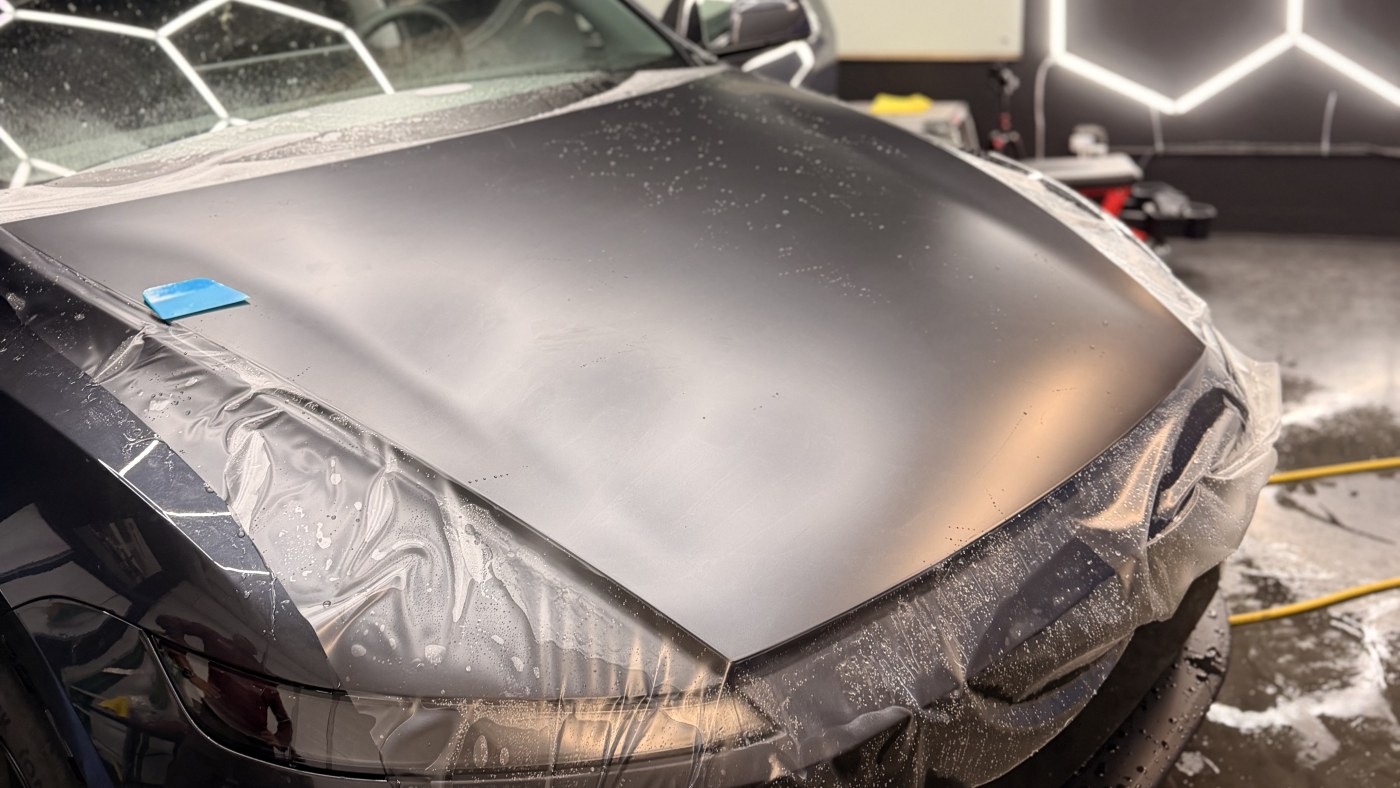
Discuss the painted panels that face the owner's actual exposure, existing condition, prior paint work, preparation, coverage, edges, care, and later body or paint repair. A PPF discussion should not be replaced with a gloss or maintenance claim.
Tint and windshield protection film are glass questions
Identify the glass, owner goal, prior film or replacement history, current condition, and product or legal questions that CDA needs to address. Glass work should remain distinct from paint protection and finish improvement.
Paint correction addresses visible finish condition
Correction depends on what CDA can observe and safely evaluate. Photos may not establish defect depth, repainting, paint thickness, contamination, or repair history. The scope should identify the surfaces and expected level of improvement without promising that every defect can be removed.
Ceramic coating supports finish and maintenance after preparation
Coating does not replace PPF for impact protection. Ask what preparation is included, which surfaces are treated, what care guidance applies, and how later polishing, body work, paint repair, or detailing may affect the record.
Detailing addresses defined interior or exterior condition
Identify the surfaces, condition, contamination, passenger or cargo use, and desired result. Mobile detailing is considered only when CDA confirms the scope and environment are suitable.
A combined project still needs separate lines
For every service, record the purpose, exact area, preparation, order, price, schedule, care, limitations, and warranty contact. Ask what is shared and what another provider must complete first.
Use a goal, surface, condition, and responsibility worksheet
For every requested line, write the owner goal, exact panels or glass or interior surfaces, known condition, prior work, preparation question, intended work setting, and responsible provider. Keep confirmed facts separate from assumptions. This worksheet helps CDA explain whether the next step is a photo review, an in-person inspection, a revised scope, another provider's repair, or a current written proposal. It also prevents one service label from standing in for several different surfaces and outcomes.
Plan the order before combining services
If the owner is considering paint protection film, tint, windshield protection film, paint correction, ceramic coating, detailing, body or paint repair, glass replacement, dent work, or custom parts, ask which work must happen first. Record whether later work could disturb an installed material or treated surface. A combined visit can still contain separate preparation, delivery, care, and warranty responsibilities, while staged work can create repeated access or preparation. CDA confirms the sequence for the actual vehicle rather than relying on a universal package order.
Keep mobile and studio boundaries explicit
Major PPF and ceramic-coating installations are performed in CDA's controlled studio. Mobile maintenance washes and mobile detailing across the Inland Empire are considered only when CDA confirms the task, vehicle condition, access, property rules, weather, lighting, water, power, cleanliness, and surrounding environment are suitable. A Riverside or Inland Empire location does not by itself make a service mobile, and an initial request is not confirmation of availability.
What to have ready
Bring the year, make, model, requested result, known condition and prior work, current service location, contact information, and clear photographs when useful. CDA decides whether an in-person inspection is needed before the scope is final.
Keep current terms in the written proposal
Ask CDA to identify the exact panels, glass, surfaces, preparation, work setting, included and excluded items, current price, deposit, schedule, delivery checks, care, limitations, and warranty contact. Do not substitute a generic article for the current vehicle-specific record.
Frequently asked questions
Are major PPF and ceramic-coating installations mobile?
No. CDA handles major PPF and ceramic-coating installations in a controlled studio. Mobile maintenance washes and mobile detailing are available across the Inland Empire only when CDA confirms the scope, access, property rules, weather, and environment are suitable.
Does CDA's role behind ShieldID make CDA responsible for member-shop work?
No. CDA Auto Styling is the founding shop behind ShieldID Network, but the brands remain distinct and independent member shops control their own jobs and terms.
Can photos finalize every recommendation?
No. Photos can support the first conversation, but CDA determines when the exact vehicle and service need an in-person inspection.

